

What are carrying costs?
Carrying cost (also called holding cost) is the total expense of storing unsold inventory. It includes every cost associated with keeping products on your shelves until they sell. For most businesses, carrying costs run between 20% and 30% of total inventory value per year.
That means if you hold $100,000 in inventory, you are spending $20,000 to $30,000 annually just to store it. This number surprises many small business owners because the costs are spread across so many categories that no single line item looks alarming.
The components of carrying cost
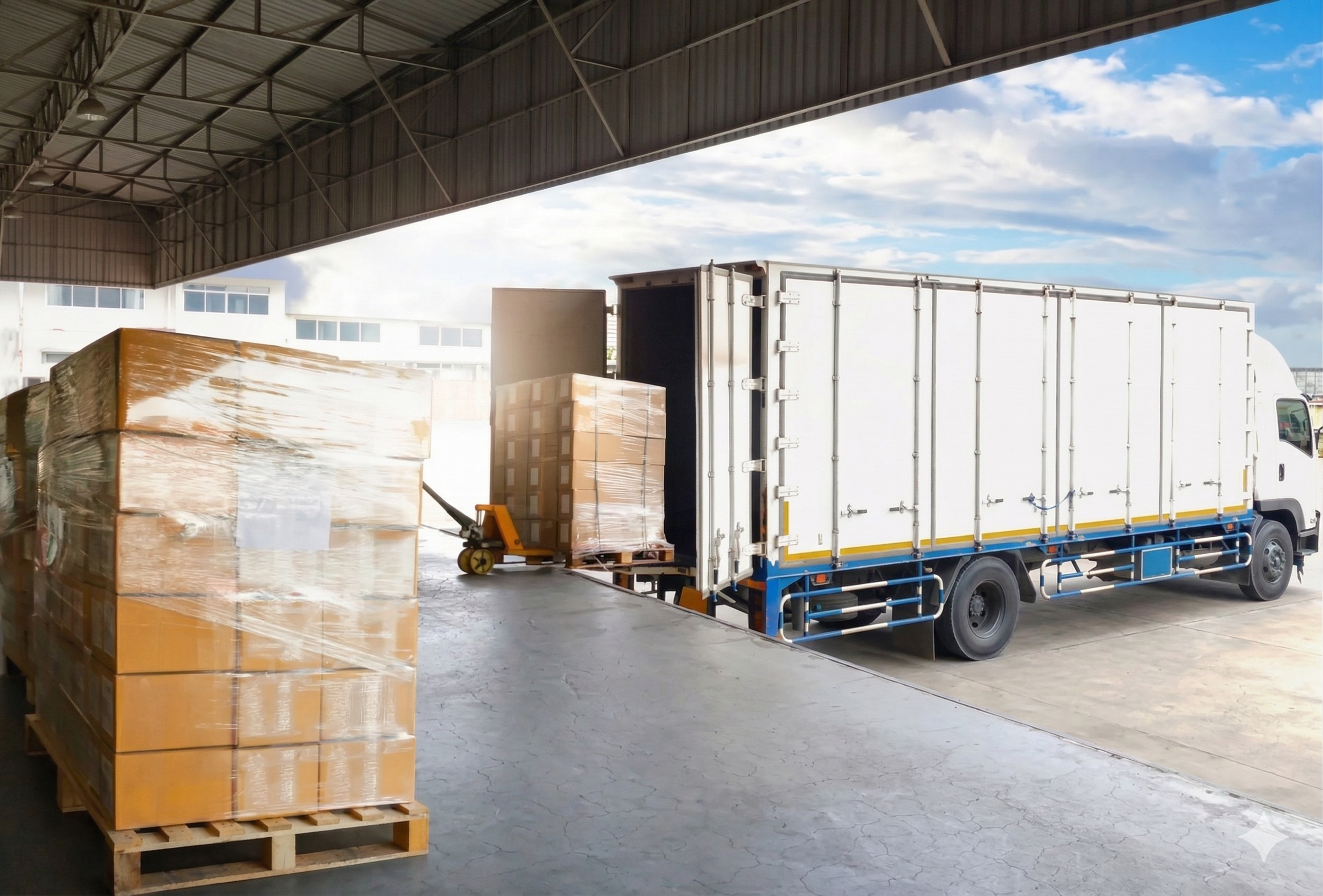
Storage costs. Rent or mortgage for warehouse space, utilities, shelving, and equipment. If you rent a 2,000 square foot warehouse for $2,000 per month, that is $24,000 per year in storage alone.
Insurance. Policies covering inventory against fire, theft, and natural disasters. The more inventory you hold, the higher your premium.
Depreciation and obsolescence. Products lose value over time. Fashion items go out of style. Electronics become outdated. Perishable goods expire. This is often the largest hidden cost.
Opportunity cost. Money sitting in inventory cannot be used for marketing, hiring, or other investments. If your inventory ties up $50,000 that could earn 8% elsewhere, the opportunity cost is $4,000 per year.
Shrinkage. Theft, damage, and administrative errors that cause inventory to disappear. The average shrinkage rate in retail is around 1.4% of sales.
Handling costs. Labor for receiving, putting away, picking, and moving inventory within your warehouse.
How to calculate carrying cost
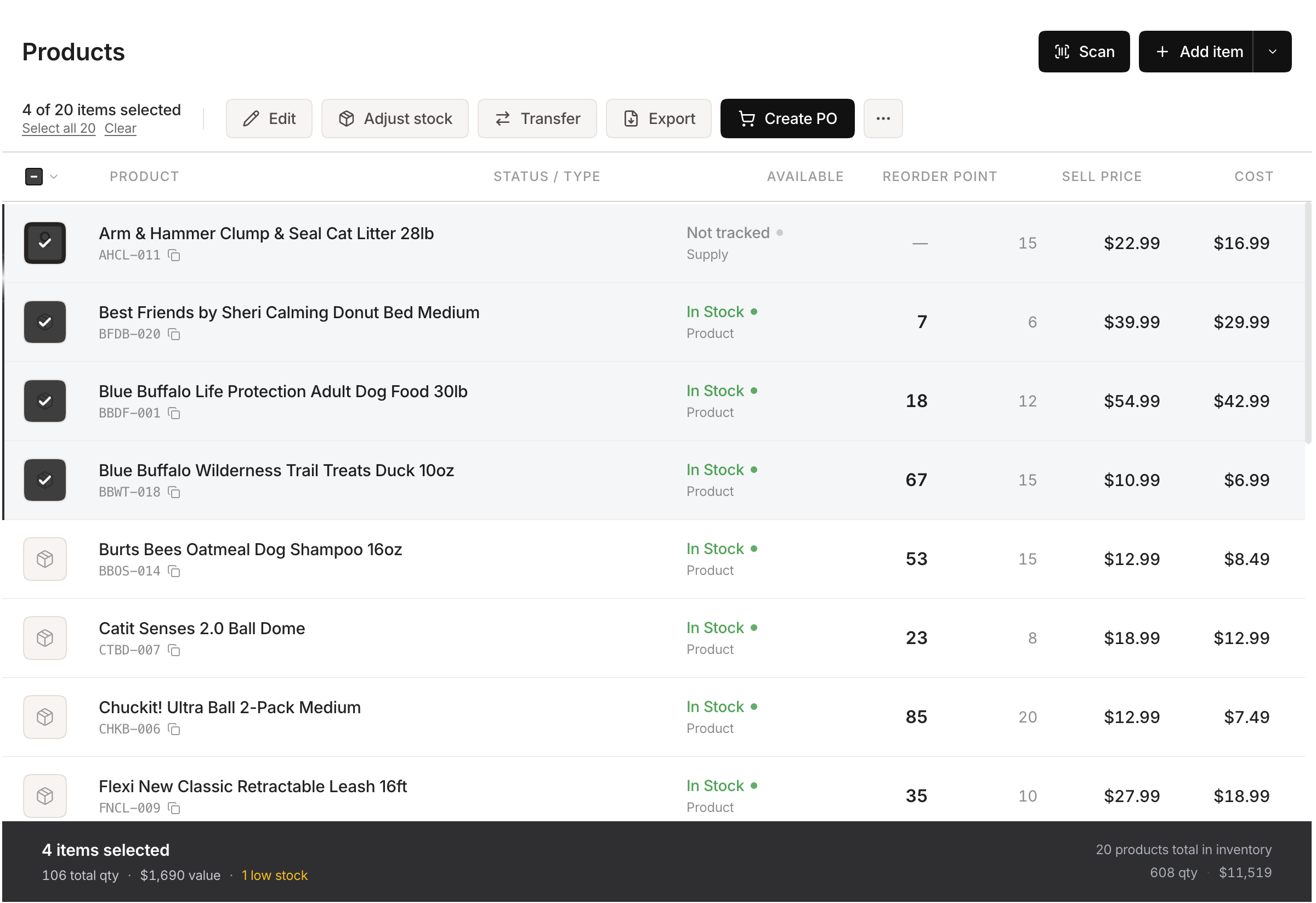 Stockria in action - Edit product details, adjust stock, and track cost from one screen.
The formula is straightforward:
Carrying Cost (%) = (Total Carrying Costs / Average Inventory Value) x 100
To calculate your total carrying costs, add up all the components listed above for the past 12 months. Then divide by your average inventory value over the same period.
For example, a small retailer might have annual costs of: storage $18,000, insurance $2,400, depreciation $5,000, opportunity cost $3,000, shrinkage $1,600, and handling $6,000. That totals $36,000. If their average inventory value is $150,000, their carrying cost rate is 24%.
Five ways to reduce carrying costs
1. Order smaller quantities more often. Instead of ordering 1,000 units quarterly, order 250 units monthly. You hold less stock at any given time. The tradeoff is higher shipping frequency, so compare the savings against the additional freight costs.
2. Drop slow-moving products. Run a report on items that have not sold in 60 or 90 days. Discount them aggressively or discontinue them. Dead stock is pure cost with no return.
3. Negotiate consignment terms. For some product categories, suppliers will let you stock items on consignment. You do not pay until the item sells, which eliminates most carrying costs for those products.
4. Improve demand forecasting. Better predictions mean less safety stock. Even small improvements in forecast accuracy translate to lower carrying costs.
5. Optimize warehouse layout. Put fast-moving items near the packing area. Reduce the time and labor needed to pick orders. A well-organized warehouse cuts handling costs significantly.
Track it to improve it
Most businesses do not calculate carrying costs because the data is scattered across rent invoices, insurance bills, and labor records. But once you know the number, you can manage it. Set a target carrying cost percentage and review it quarterly. Even reducing it by 2-3 percentage points on a $100,000 inventory saves $2,000-$3,000 per year - money that goes straight to your bottom line.